Our website uses cookies which are necessary for running the website and for providing the services you request. We would also like to set the following optional cookies on your device. You can change these settings any time later by clicking "Change cookie settings" at the bottom of any page. For more information, please read our Cookie Information.
These cookies collect information such as how many people are using our website or which pages are popular, helping us improve the customer experience. Disabling these cookies means we won’t be able to collect information to enhance the experience.
These cookies help us understand what interests you so we can show you relevant ads on other websites. Disabling these cookies means we will not be able to show you personalized ads.
Water loss remains one of the biggest operational challenges for modern utilities. Aging infrastructure, increasing demand, and expanding distribution networks make it difficult to identify hidden leaks before they develop into larger problems. Even small water leaks can lead to significant water loss, infrastructure deterioration, service interruptions, and rising operating expenses.
To address these challenges, utilities are increasingly adopting advanced water leakage detection technologies. Modern solutions combine sensors, communication networks, real-time analytics, and automated controls to detect leaks quickly and reduce water damage. Many systems can even automatically shut water flow when abnormal conditions are detected.
This article explores the latest leakage detection technologies, how they work, and how utilities can use them to improve network performance and reduce non-revenue water.
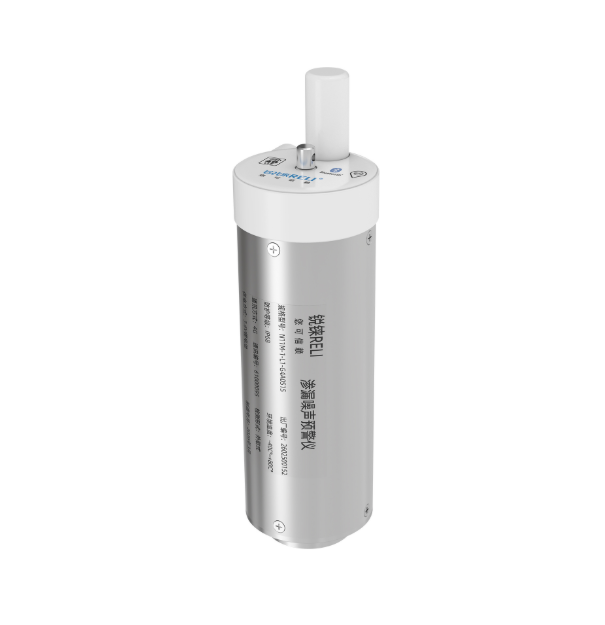
Water leakage detection is the process of identifying unwanted water loss within a distribution network, facility, or pipeline system.
A modern water leak detection system continuously monitors network conditions and alerts operators when abnormal activity occurs. These systems help utilities locate leaks earlier, reducing repair costs and preventing unnecessary water loss.
Water leakage detection technologies are commonly used in:
Undetected water leaks can create several operational and financial challenges.
Common consequences include:
In severe cases, water damage can affect roads, foundations, electrical systems, and public infrastructure.
Finding leaks early allows utilities to minimize disruption and preserve valuable water resources.
A leak monitoring system gathers information from multiple devices installed throughout a water network.
The process generally includes:
Unlike traditional inspection methods, modern leak monitoring systems provide real time visibility into network performance.
This enables operators to respond much faster when problems occur.
A water leak sensor detects the presence of water where it should not be present.
These sensors can be installed:
When moisture is detected, the sensor immediately sends information to the monitoring platform.
Many utilities deploy multiple water leak detectors to increase coverage across critical assets.
Smart leak detectors combine sensing technology with communication capabilities.
Features often include:
Smart leak detectors help operators identify leaks quickly without requiring manual inspections.
Cold weather can create additional risks for water infrastructure.
A freeze detector monitors temperature conditions and alerts operators when freezing conditions develop.
Freeze detectors are often used to identify leaks or freezes before pipes burst.
Utilities operating in colder climates frequently combine freeze detector technology with leak monitoring systems to reduce winter-related failures.
Flow monitoring equipment measures water movement through pipelines.
Unexpected changes in flow patterns can indicate:
Flow data is often combined with pressure monitoring to improve leak detection accuracy.
One of the most significant developments in water management is the smart water shutoff system.
Unlike traditional alarms, these systems can automatically shut off water flow when a leak is detected.
A typical smart water shutoff solution includes:
When abnormal water activity is detected, the system can automatically shut the water supply to prevent further damage.
This capability significantly reduces the risk of extensive water damage in facilities and utility infrastructure.
The water shutoff valve serves as the control point within a smart water shutoff system.
When a leak is confirmed, the valve can:
Advanced water shutoff valve designs support remote operation and integration with utility management platforms.
Modern leak detection solutions increasingly rely on wireless communication.
Many systems use:
Wi Fi connectivity enables utilities and facility operators to monitor conditions remotely and receive updates instantly.
When a leak occurs, the system sends an alert through a mobile app, email, SMS, or control center dashboard.
Immediate notification allows personnel to investigate and respond quickly.
Many field installations require battery powered equipment because electrical power may not be readily available.
Battery powered leak detection devices offer:
Modern devices are designed for extended battery life, allowing operation for several years before replacement becomes necessary.
Long battery life is especially important for sensors installed in underground chambers, remote pipelines, and distributed monitoring locations.
Real time monitoring provides continuous visibility into network conditions.
Utilities can track:
Advanced analytics platforms process incoming data and identify patterns that may indicate developing problems.
This proactive approach helps reduce repair costs and improve operational efficiency.
Monitoring water usage is another effective method for identifying hidden leaks.
Unexpected increases in water usage may indicate:
By comparing historical and current usage data, utilities can identify anomalies and investigate potential issues more efficiently.
Leak monitoring is not limited to distribution pipelines.
Utilities also monitor:
Leaks near sump pumps can indicate drainage system problems, equipment failures, or excessive groundwater intrusion.
Continuous monitoring helps operators maintain reliable facility operations.
Many utilities integrate leak detection solutions with their broader security system infrastructure.
Benefits include:
A combined security system can monitor:
This integrated approach supports more efficient utility management.
Utilities implementing advanced water leak detection solutions can achieve several benefits:
Earlier leak identification minimizes unnecessary water loss and supports conservation goals.
Leak repairs performed early are generally less expensive than emergency response activities.
Automatic shutoff capabilities help prevent extensive property and infrastructure damage.
Continuous monitoring provides valuable information about network performance and asset condition.
Quick detection and response reduce customer disruptions and service interruptions.
Real-time data supports more informed maintenance and investment decisions.
Leak detection technologies continue to evolve as utilities embrace digital transformation.
Emerging developments include:
These innovations help utilities detect smaller leaks, improve response times, and optimize network performance.
Utilities planning a leak monitoring project should consider the following:
A structured implementation strategy helps maximize system effectiveness and return on investment.
Modern water leakage detection technologies provide utilities with powerful tools for identifying water leaks, reducing water damage, and improving operational performance. By combining smart leak detectors, water leak sensors, leak monitoring systems, smart water shutoff capabilities, and real time analytics, utilities can gain better visibility into network conditions and respond to issues before they become costly failures.
As water infrastructure continues to age and demand grows, advanced water leak detection systems will become an increasingly important part of efficient and sustainable utility management.
A water leak detection system uses sensors, monitoring software, and communication technologies to identify water leaks and notify operators when abnormal conditions are detected.
A water leak sensor detects the presence of moisture or water in areas where it should not be present. When water is detected, the sensor sends an alert to the monitoring platform.
Smart leak detectors are connected monitoring devices that provide remote notifications, real-time monitoring, and automated leak detection capabilities through wireless communication networks.
A smart water shutoff system combines leak detection technology with a water shutoff valve that can automatically shut water flow when a leak is detected.
Leak monitoring systems identify leaks earlier and can send an alert immediately. Some systems can automatically shut off water flow, limiting the amount of damage caused by a leak.
Many leak detection devices are battery powered and installed in remote locations. Long battery life reduces maintenance requirements and ensures continuous monitoring.
Yes. Many modern systems combine water leak detection with freeze detector technology, allowing operators to identify leaks or freezes before pipes burst.
Yes. Advanced systems analyze water usage data to identify abnormal consumption patterns that may indicate hidden leaks or equipment issues.
Many modern water leak detectors support Wi Fi connectivity, enabling remote monitoring, instant notifications, and cloud-based data access.
Yes. Many utilities and facilities integrate leak detection technology into a broader security system for centralized monitoring and faster incident response.
