Our website uses cookies which are necessary for running the website and for providing the services you request. We would also like to set the following optional cookies on your device. You can change these settings any time later by clicking "Change cookie settings" at the bottom of any page. For more information, please read our Cookie Information.
These cookies collect information such as how many people are using our website or which pages are popular, helping us improve the customer experience. Disabling these cookies means we won’t be able to collect information to enhance the experience.
These cookies help us understand what interests you so we can show you relevant ads on other websites. Disabling these cookies means we will not be able to show you personalized ads.
Urban water distribution networks are expected to deliver safe, reliable drinking water to homes, businesses, hospitals, and public facilities around the clock. As cities expand and infrastructure ages, utilities face increasing challenges related to leakage, pipe bursts, pressure fluctuations, and rising operational costs.
One of the most effective ways to improve network performance is through smart water pressure monitoring. By combining advanced pressure sensors, real-time data collection, and intelligent pressure monitoring systems, water utilities can gain better visibility into network conditions and respond quickly to developing issues.
This article explains how smart pressure monitoring works, why it matters for drinking water systems, and how modern technologies help cities reduce water loss, improve service reliability, and optimize infrastructure management.
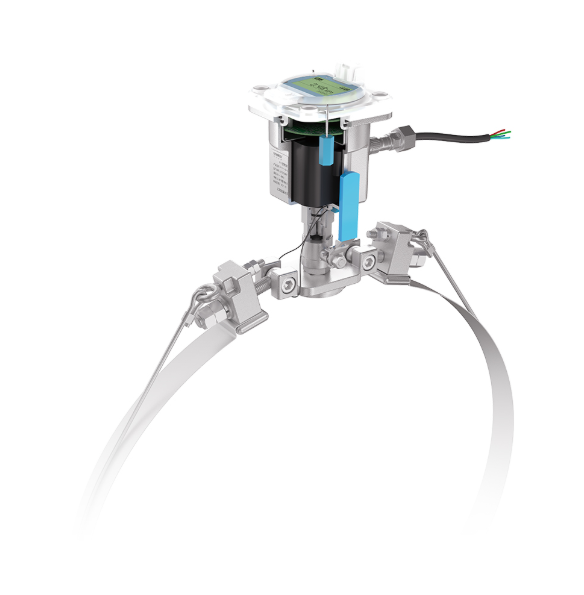
Water pressure monitoring is the continuous measurement and analysis of pressure conditions within a water distribution network. Utilities install pressure sensors at strategic locations such as pumping stations, reservoirs, district metered areas (DMAs), transmission mains, and customer service zones.
The collected data is transmitted to a central pressure monitoring system, allowing operators to track network performance in real time.
Pressure monitoring helps utilities:
Without continuous monitoring, many pressure-related problems remain unnoticed until customers report service disruptions or major infrastructure damage occurs.
Water pressure directly affects the performance and lifespan of distribution infrastructure.
When air pressure or water pressure exceeds design limits, utilities may experience:
Even small increases in pressure can significantly increase water loss throughout a network.
Low pressure can cause:
Maintaining pressure within an optimal range helps utilities balance service quality and infrastructure protection.
A modern pressure monitoring system consists of several integrated technologies working together.
Pressure sensors are the foundation of every monitoring solution.
These devices continuously measure water pressure inside pipes and transmit readings to monitoring platforms.
Modern pressure sensor technologies offer:
Utilities often deploy multiple pressure sensors throughout the network to create a comprehensive monitoring strategy.
Data loggers collect readings from pressure sensors and store or transmit information at predefined intervals.
Benefits include:
Smart monitoring solutions use various communication methods:
These technologies allow real-time transmission of pressure data from remote locations.
Software platforms convert raw pressure data into actionable insights.
Operators can:
Advanced systems may also use predictive analytics to identify future risks.
One of the most valuable benefits of smart pressure monitoring is leak detection.
Leaks often create subtle pressure changes before visible signs appear. Continuous real-time monitoring enables utilities to identify these changes quickly.
Indicators of potential leakage include:
By identifying problems earlier, utilities can repair leaks before they become major failures.
This approach reduces water loss, repair costs, and service interruptions.
Pressure-related issues contribute significantly to utility expenses.
A smart pressure monitoring system helps reduce operational costs by:
Pumping systems consume substantial amounts of electricity. By optimizing pressure levels, utilities can reduce unnecessary pumping energy.
Unexpected pipe failures often require urgent excavation and repair work.
Continuous monitoring helps identify warning signs before catastrophic failures occur.
Maintaining stable pressure reduces stress on:
Longer asset life means fewer capital replacement projects.
Reducing leakage lowers treatment, pumping, and distribution expenses associated with lost water.
Modern pressure sensors have evolved significantly compared with traditional monitoring equipment.
Today's devices provide:
Some advanced pressure sensor models can operate for years without battery replacement, making them suitable for large-scale deployment across urban networks.
As utilities move toward digital transformation, pressure sensors increasingly serve as essential data sources for smart city infrastructure.
Pressure management is not only about reducing water loss.
Stable pressure conditions also support drinking water quality.
When pressure falls below acceptable levels, external contaminants may enter the distribution system through cracks or damaged joints.
Continuous monitoring helps utilities:
Many regulatory agencies encourage pressure monitoring as part of broader drinking water safety programs.
Interestingly, water utilities can learn from technologies originally developed for transportation systems.
A tire pressure monitoring system (TPMS) continuously measures tire conditions and alerts drivers when pressure deviates from safe levels.
TPMS sensors provide several concepts that are relevant to water utilities:
Just as a tire pressure monitoring system helps prevent vehicle failures, smart pressure monitoring helps utilities avoid infrastructure problems before they escalate.
The success of TPMS sensors demonstrates the value of continuous condition monitoring in large, distributed systems.
Pressure monitoring delivers greater value when integrated with other smart water technologies.
Examples include:
Combining flow and pressure data improves leak detection accuracy.
Pressure events can be correlated with water quality changes.
Pressure information becomes part of centralized utility operations.
Pressure data can be visualized geographically, helping operators identify affected areas more quickly.
Pressure trends support maintenance planning and infrastructure investment decisions.
The future of pressure monitoring is increasingly data-driven.
Emerging developments include:
AI algorithms can identify hidden patterns and forecast network issues.
Utilities can create virtual models of distribution networks using real-time operational data.
Pressure sensors can process data locally and trigger alerts immediately.
Machine learning models can estimate the likelihood of future pipe failures.
These technologies help utilities move from reactive maintenance to proactive network management.
Utilities considering a pressure monitoring project should focus on the following steps:
A well-planned implementation delivers stronger operational performance and measurable cost savings.
Smart pressure monitoring has become an essential tool for modern urban water distribution networks. Through the use of advanced pressure sensors, real-time analytics, and intelligent pressure monitoring systems, utilities can improve network visibility, reduce water loss, maintain drinking water quality, and lower operational costs.
As cities continue to expand and infrastructure challenges grow, pressure monitoring will remain a key component of efficient water management. Utilities that invest in real-time monitoring technologies today are better positioned to improve reliability, extend asset life, and provide consistent service to customers in the years ahead.
A pressure monitoring system continuously measures water pressure throughout a distribution network using pressure sensors and communication technologies. The system provides real-time data that helps utilities detect leaks, prevent failures, and optimize operations.
Pressure sensors measure the force exerted by water within a pipe and convert it into an electrical signal. The signal is transmitted to monitoring software where operators can analyze network conditions.
Real-time monitoring enables utilities to detect abnormal pressure events immediately, reducing response times and helping prevent leaks, bursts, and service disruptions.
Pressure monitoring lowers operational costs by reducing water loss, minimizing emergency repairs, improving energy efficiency, and extending the lifespan of infrastructure assets.
TPMS sensors are used in a tire pressure monitoring system to monitor air pressure inside vehicle tires, while water pressure sensors measure pressure within water pipelines. Both technologies use continuous monitoring and automated alerts to improve system reliability.
Yes. Maintaining stable pressure helps prevent contamination from entering the distribution network through leaks or damaged infrastructure, supporting safer drinking water delivery.
Pressure sensors are commonly installed at pumping stations, reservoirs, district metered areas (DMAs), pressure-reducing valve stations, and other critical points throughout the distribution network.
Pressure monitoring is widely used in municipal water systems, wastewater treatment facilities, industrial process plants, oil and gas operations, manufacturing, energy production, and transportation systems.
