Our website uses cookies which are necessary for running the website and for providing the services you request. We would also like to set the following optional cookies on your device. You can change these settings any time later by clicking "Change cookie settings" at the bottom of any page. For more information, please read our Cookie Information.
These cookies collect information such as how many people are using our website or which pages are popular, helping us improve the customer experience. Disabling these cookies means we won’t be able to collect information to enhance the experience.
These cookies help us understand what interests you so we can show you relevant ads on other websites. Disabling these cookies means we will not be able to show you personalized ads.
Water utilities in many regions are upgrading their metering infrastructure as demand for accurate billing, real-time monitoring, and efficient network management continues to grow. The shift from traditional water meter systems to smart water meter technology is no longer experimental—it is becoming standard practice in modern utility metering.
This change is driven by limitations in mechanical systems and the growing need for better visibility into water consumption, water flows, and distribution performance across both residential and commercial networks.
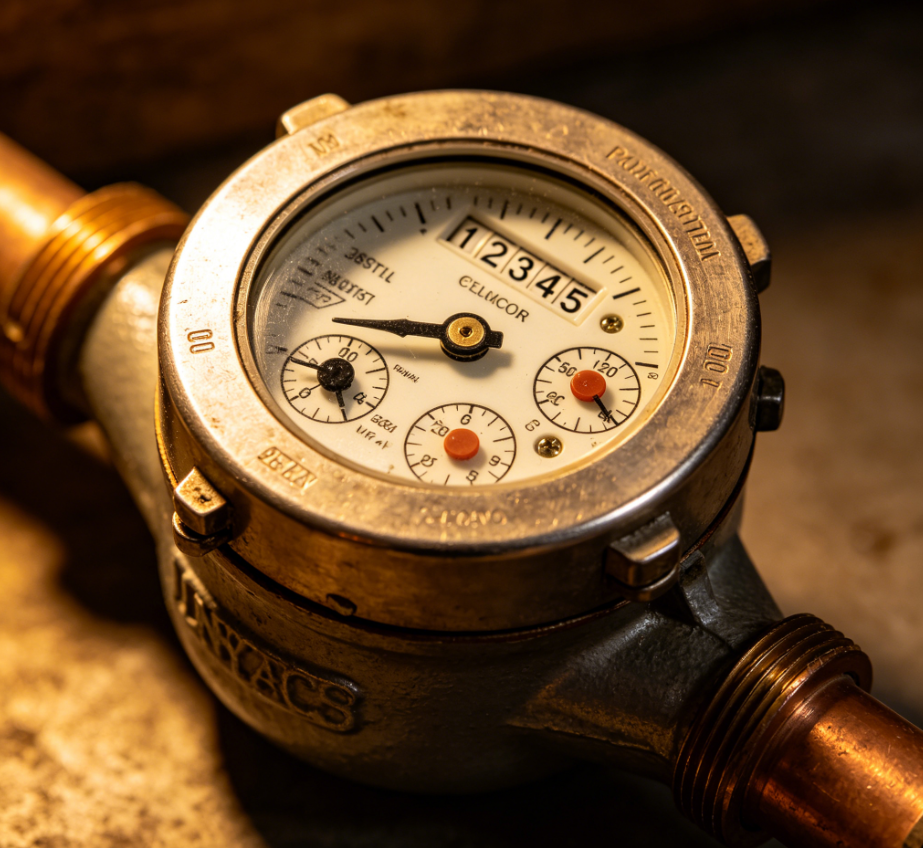
A traditional water meter, often called a mechanical water meter, measures the volume of water passing through a pipeline using moving parts such as gears, turbines, or pistons.
As water flows through the meter, these internal components rotate, and the movement is converted into a reading of total water usage.
While these meters have been widely used in water utility systems for decades, their performance can decline over long-term operation.
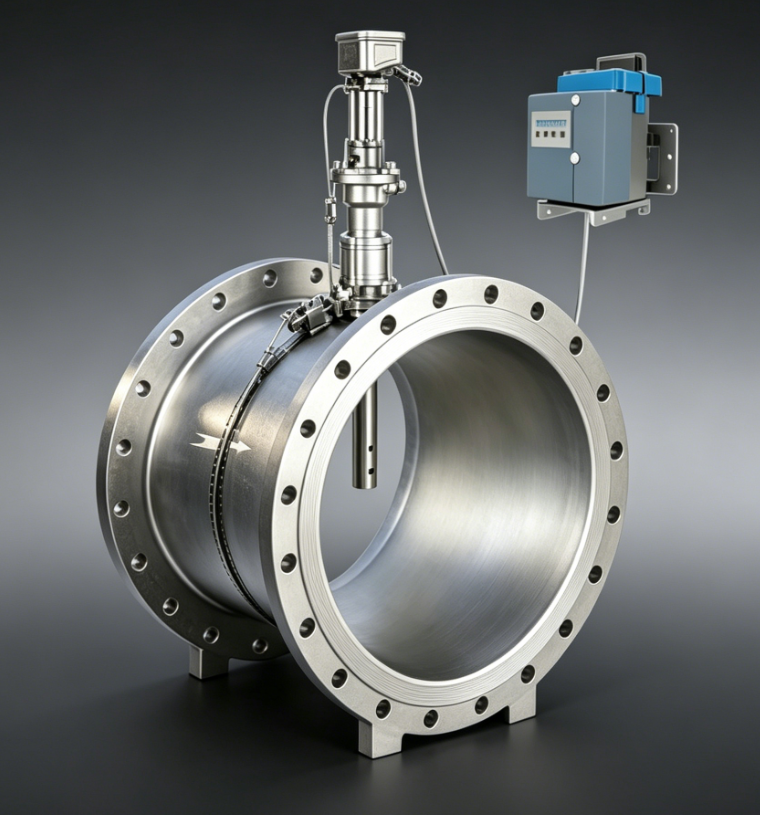
A smart water meter is a modern digital water meter designed to measure amount of water flow using electronic or advanced sensing technologies rather than mechanical movement.
Unlike mechanical systems, smart meters typically use technologies such as:
These systems provide more stable readings of flow rates and support remote data collection.
A smart water meter is a digital device that measures water flow electronically and transmits usage data automatically for monitoring and billing.
Smart meters determine water flows using non-mechanical methods:
These meters use sound waves to measure how fast water moves through a pipe. The time difference between transmitted and received signals is used to calculate flow velocity.
These meters measure flow based on electromagnetic principles. When conductive water passes through a magnetic field, a signal is generated that corresponds to flow speed.
Both technologies remove the need for moving parts, which reduces wear and improves measurement stability over time.
| Feature | Traditional Water Meter | Smart Water Meter |
|---|---|---|
| Measurement method | Mechanical movement | Electronic sensing |
| Moving parts | Yes | No |
| Accuracy over long term | Declines over time | Remains stable |
| Data reading | Manual | Remote / automated |
| Maintenance | Higher | Lower |
| Water flow monitoring | Limited | Real-time possible |
The difference becomes more significant in large-scale utility metering systems where consistent data is required.
Smart meters allow utilities to monitor water consumption patterns in near real time. This helps identify unusual usage trends and system inefficiencies.
Traditional systems require physical meter reading, which increases labor cost and introduces delays. Digital systems automate data collection.
Accurate measurement of water usage reduces disputes between utilities and consumers in both residential applications and commercial sectors.
Changes in water flows across a network can indicate leaks or abnormal usage patterns. Smart systems make these changes easier to identify.
Smart meters integrate with digital platforms used in modern water utility management, including remote monitoring and data analytics.
Water utilities typically choose from several types of water meters depending on application requirements:
Each of these represents different types of metering technologies used across global water infrastructure.
Smart metering systems are used in different environments:
In both cases, improved visibility into water consumption supports better resource management.
One of the key reasons utilities replace mechanical systems is the need for high accuracy over a long term.
Mechanical systems degrade due to friction from moving parts, while smart meters maintain consistent performance because they rely on electronic measurement rather than physical wear.
This stability is especially important for utilities managing large distribution networks where small measurement deviations can accumulate over time.
Modern water utility systems increasingly rely on digital data rather than manual inspection.
Smart meters support:
This shift allows utilities to move from reactive maintenance to more data-informed operations.
Current types of metering used in water infrastructure include:
Each system serves different operational needs, but digital solutions are steadily becoming the preferred choice.
A traditional water meter uses moving parts to measure water flow, while a smart water meter uses electronic sensing technologies to measure water consumption more accurately and enable remote data reading.
Mechanical meters experience wear over time due to internal movement, which affects accuracy. Smart meters offer more stable performance and reduce manual reading requirements.
Ultrasonic water meters generally provide stable and consistent measurement because they do not rely on physical movement, making them suitable for long-term utility metering.
Yes, smart water meters are widely used in residential applications to track water usage, detect leaks, and automate billing systems.
The most common types of water meters include mechanical water meters, smart water meters, ultrasonic water meters, and electromagnetic water meters.
Water utilities benefit through improved monitoring of water flows, better accuracy in water consumption data, reduced operational costs, and enhanced network management.
The shift from traditional water meter systems to smart water meter technology reflects a broader transition in the water industry toward digital infrastructure. With improved accuracy, reduced reliance on moving parts, and better visibility into water usage, smart metering systems are becoming the preferred solution for modern water utility networks across both residential and commercial environments.
